


TheCardboardBoxes offers Vacuum Sealed Mylar Bags that extend shelf life by removing air from the package. Our food-safe bags protect contents from oxygen, moisture, and contamination. Print your logo, product info, and brand designs with vibrant inks. Available in various sizes and finishes. Perfect for meats, dried foods, and long-term storage. Order Vacuum Sealed Mylar Bags from TheCardboardBoxes with bulk pricing, free design support, and fast worldwide delivery.
Vacuum sealing removes almost all of the air from a package before sealing. When combined with a high-barrier foil laminate mylar bag, this creates one of the most effective food preservation methods available: no oxygen, no moisture, no light, no spoilage.
Vacuum sealed mylar bags are used in food production, long-term storage, meal prep, and commercial preservation for products where maximum shelf life and freshness preservation are the priorities.
A vacuum sealer removes air from the bag before the seal is completed. The machine applies suction to the open end of the bag, drawing air out, then heat-seals the opening while maintaining the low-pressure environment inside.
The result is a bag that has been compressed against the product with very little residual air. Without oxygen, the biological and chemical processes that cause spoilage and degradation are dramatically slowed.
For vacuum sealing to work effectively, the bag must:
- Be made from a material that doesn't allow air to re-enter after sealing
- Have a quality heat seal that doesn't leak over time
- Be appropriate for the vacuum sealing process (some materials can crack or fail under the compression stress)
Foil laminate mylar bags meet all these requirements and are the preferred material for long-term vacuum storage.
Both methods remove oxygen from a food package, but they work differently and suit different applications:
Vacuum sealing physically removes air. It's better for products with irregular shapes, products that can be slightly compressed without damage, and applications where you have vacuum sealing equipment. It's immediate and doesn't require chemical absorbers.
Oxygen absorbers chemically absorb oxygen within a sealed bag. They work through a chemical reaction rather than physical removal. They're better for products that can't be compressed (crunchy snacks, chips, powders) and are preferred for long-term ambient storage.
Combined approach: Some commercial and home food storage operations use both: vacuum sealing reduces oxygen significantly, then an oxygen absorber removes the residual. This achieves near-zero oxygen levels and is used for ultra-long-term storage goals.
Meat and fish: Vacuum sealing extends the refrigerated shelf life of fresh meat and fish significantly by preventing the aerobic bacteria and mould growth that cause spoilage. For sous vide cooking, vacuum-sealed bags are essential.
Cheese: Vacuum-sealed cheese maintains quality and prevents mould growth far longer than standard wrapping.
Nuts and seeds: High fat content makes nuts prone to rancidity when exposed to oxygen. Vacuum sealing significantly extends shelf life.
Coffee: Some specialty roasters vacuum seal whole bean coffee to preserve freshness for longer periods.
Prepared meals: Meal prep services and sous vide restaurants use vacuum sealed bags for portioned meals.
Long-term food storage: Combined with mylar bags, vacuum sealing is a step in many long-term emergency food storage systems.
Fresh herbs: Vacuum sealed herbs in the fridge last significantly longer than conventionally stored fresh herbs.
Electronics and sensitive components: Vacuum sealing protects from humidity and oxidation in storage.
- Raw mushrooms: produce gases that cause bag failure
- Soft fresh bread: gets crushed; use for storage only, not presentation
- Some soft fruits: get crushed under vacuum pressure
- Raw garlic and onions: can produce gases and grow anaerobic bacteria in vacuum conditions
- Highly carbonated beverages
The ideal mylar bag for vacuum sealing:
- Textured or embossed inner surface: creates channels for air to be drawn out evenly. Smooth-interior bags can be difficult to vacuum properly because the surfaces can seal against each other before all air is removed.
- Appropriate wall thickness: 3.5 to 5 mil is standard for most applications. Thicker bags are more puncture-resistant; important for products with sharp edges or bones.
- Quality heat seal edge: The seal must maintain under vacuum conditions during and after sealing.
At TheCardBoardBoxes, vacuum-seal compatible mylar bags are available in a range of sizes and specifications. Custom printing is available for brands presenting vacuum-sealed products in retail or direct-to-consumer channels.
| Box Style | Any Style |
| Dimension | Custom sizes and shapes |
| Quantity | 250 - 500,000 boxes |
| Paper Stock | (12pt to 24pt) Cardstock, Kraft, E-Flute Corrugated, Cardboard, Bux-Board, Rigid |
| Printing | CMYK, PMS |
| Coating | Matte, Gloss |
| Finishing | Embossing, Debossing, Foil Stamping, Spot UV |
| Included Options | Die Cutting, Scoring, Gluing, Fold & Perforation |
| Proof | Electronic Proof (flat, 3D mock-up), Hardcopy Proofing (upon request) |
| Turnaround | 5 - 7 Business Days |
| Delivery | FLAT via Courier |
No reviews yet.
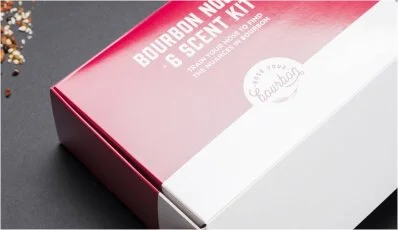
A quick-drying, water-based layer that shields paper from smudges and grime while being eco-friendly.
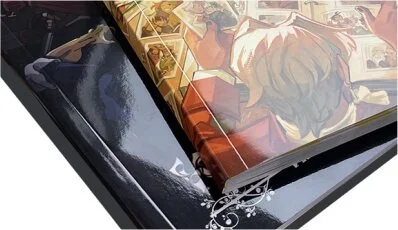
This liquid finish cures under UV lights, giving your paper a vibrant, glossy shine.

This glossy treatment applies only to select areas, making images or text dramatically stand out.
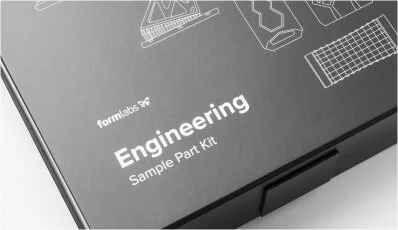
This unique finish creates a velvety or suede-like texture under your fingertips.
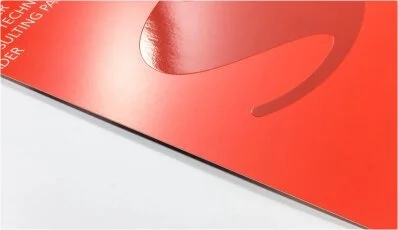
A transparent ink that safeguards the page or provides subtle gloss, though it may yellow with age.

A thin plastic film bonded to paper for durability, available in shiny or non-glare finishes.
A rugged plastic barrier that stops scratches and wear from frequent handling.
This layer delivers a luxurious smooth feel and exceptional tear resistance.

Offset printing is a high-volume printing technique using metal plates and rubber blankets.
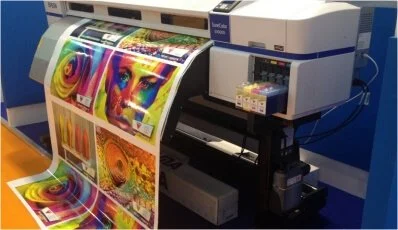
Digital printing is a method of printing directly from digital files to media.
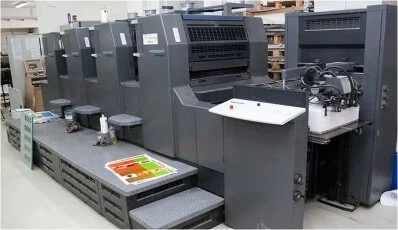
UV printing uses UV light to instantly cure ink onto a wide variety of materials.
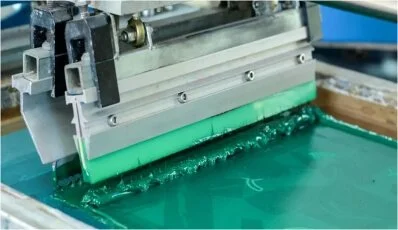
It is a process that transfers ink through a stenciled mesh screen onto a surface.
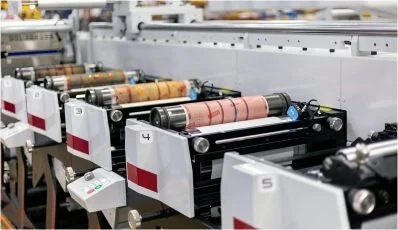
Flexography is a high-speed printing process using flexible plates and low-viscosity inks.
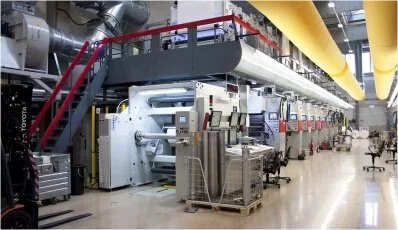
Gravure printing is a high-quality, high-speed intaglio printing method using engraved cylinders.

This method applies heat to bond glittering metallic hues like gold or silver onto paper, creating designs that truly shimmer.

This approach raises the paper from below to form a tactile image you can feel with your fingertips.
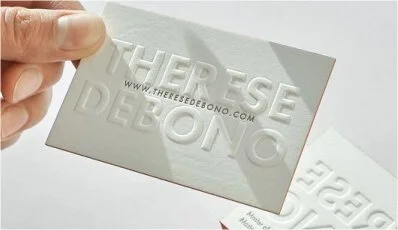
This technique indents your design into the paper, producing a striking recessed effect that brings dimension to your work.
This unique foil shifts through a vibrant spectrum of colors like a dazzling rainbow when light strikes it at specific angles.

This glossy clear varnish targets select areas of the page to highlight particular elements with eye-catching shine.

This sleek coating delivers a non-reflective, velvety texture that feels luxurious and enhances readability.
This highly reflective layer bounces back light, amplifying colors to make your print vibrant and dynamic.
Hot foil stamping is a printing method using heat to transfer foils for decoration.

Premium solid bleached sulfate, C1S coated for vibrant prints and superior food safety.

Solid bleached sulfate, double-coated for flawless printing and premium packaging appeal.
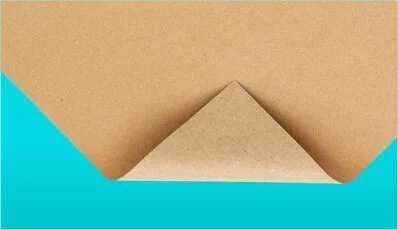
Pure uncoated unbleached kraft ensures raw, sustainable strength for authentic eco-packaging needs.

Clay-coated newsboard delivers affordable strength with smooth surface for bold branding.

Bold black kraft exudes premium elegance and robust protection for standout packaging.
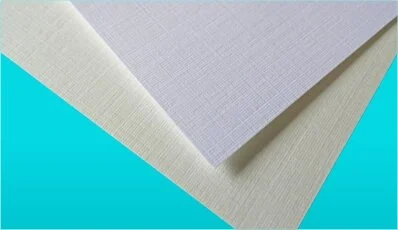
100% recycled clay-coated newsboard offers eco-friendly durability and cost-effective packaging solutions.
Rustic natural brown kraft provides authentic, biodegradable strength for sustainable food packaging.
Clean white kraft combines natural strength with bright, recyclable appeal for branding.
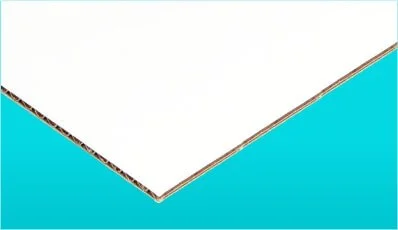
Rugged natural kraft corrugated board delivers eco-friendly strength for reliable food transport.
Elegant oyster white corrugated board offers subtle sophistication and sturdy packaging protection.
Smooth kemi white corrugated ensures crisp prints and robust durability for premium shipping.
Bright bleached white corrugated provides pristine appearance with superior strength for branding.
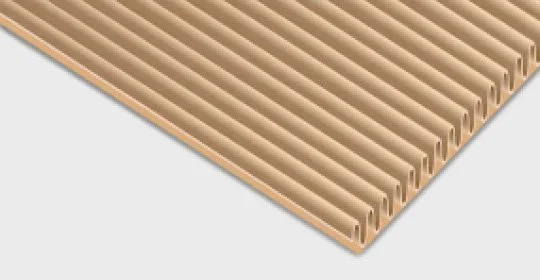
Tall A-flute excels in superior cushioning and shock absorption for fragile foods.
Fine B-flute offers smooth printing surface and efficient collapse resistance for boxes.
Versatile C-flute balances strength, printability, and space efficiency for standard packaging.
Micro E-flute creates sleek, flat profiles with excellent print quality for retail.
Single face flute adds lightweight protection and flexibility for delicate food wrapping needs.
Single wall corrugated flute balances cost and cushioning for everyday food shipping demands.
Double wall flute delivers enhanced stacking strength for heavier food packaging loads.
Triple wall flute provides maximum crush resistance for industrial food transport durability.

It is a type of paperboard with a white clay-coated top side, ideal for luxury packaging.

Grey Chipboard Cardboard is a thick, sturdy material made from recycled content, ideal for luxury packaging.
This material is slim yet robust enough to maintain its form effectively for petite, lightweight boxes and resilient cards.
An excellent balanced option that offers a firm feel and reliable safeguarding for typical gift box varieties.
This dense board has a substantial heft in your grasp and ranks as the top pick for superior, long-lasting luxury packaging.
This exceptionally sturdy and inflexible material suits bigger items requiring additional reinforcement for security.
The densest and most resilient choice on offer, giving it a near-wooden sensation for the ultimate premium goods.
Everything you need to know about this product packaging.
No FAQs found.